Analysis
Birthright Citizenship in the United States: Status and What If the Order Takes Effect
Right now, the United States still operates under the long‑standing rule that a child born on U.S. soil is automatically a U.S.
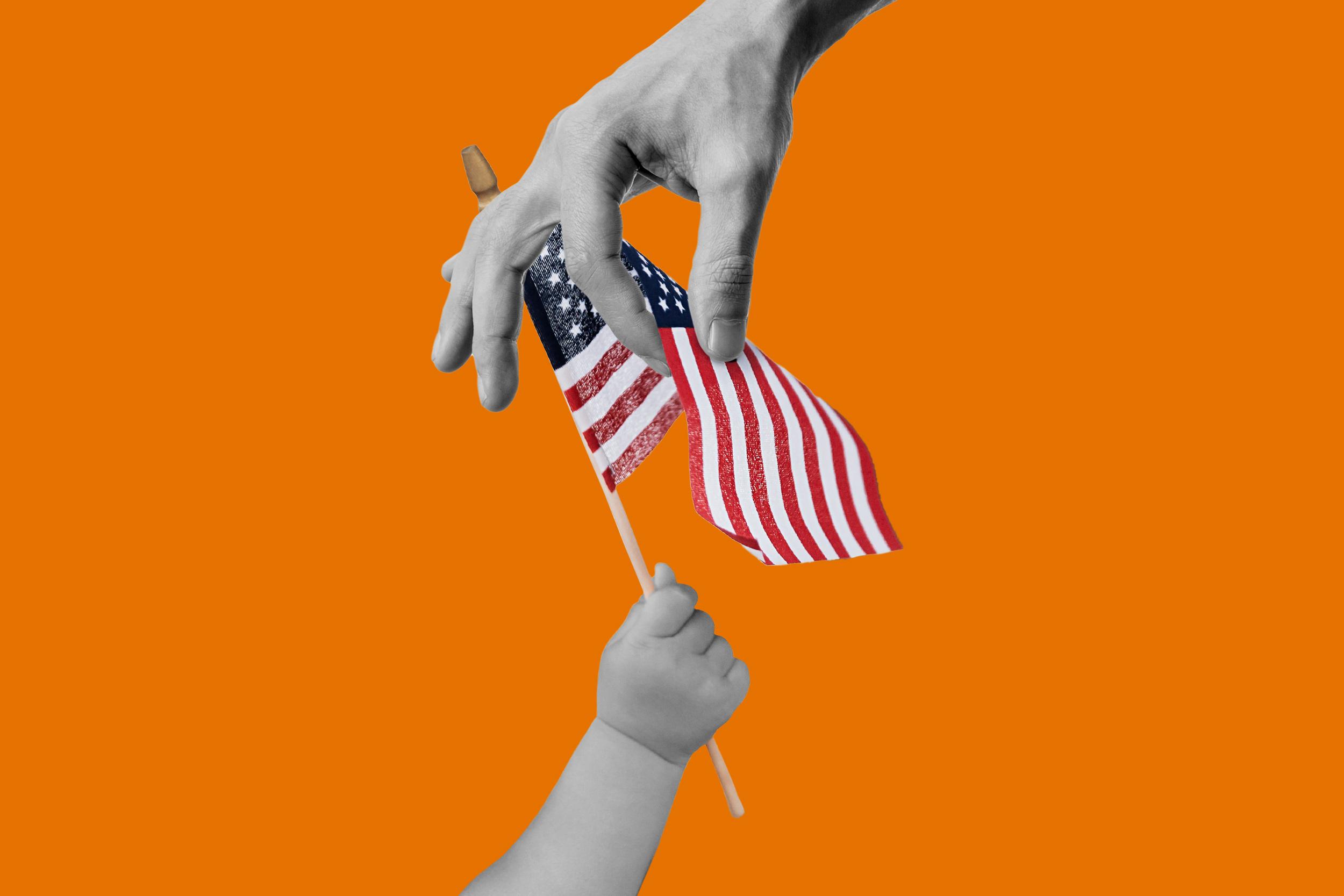
Right now, the United States still operates under the long‑standing rule that a child born on U.S. soil is automatically a U.S. citizen, under the 14th Amendment’s “birthright citizenship” guarantee. President Donald Trump issued an executive order in early 2025 attempting to carve out an exception for children born to parents who are neither U.S. citizens nor lawful permanent residents, but that order has been blocked by federal courts. As of April 2026, the Supreme Court is reviewing the case, and a final decision is expected by late June or early July.
Current Legal Status
Courts have repeatedly put the executive order on hold, meaning birthright citizenship continues without change for now. The Supreme Court heard oral arguments on April 1, 2026, in a case titled Trump v. Birthright Citizenship, after the Fifth Circuit and later the Supreme Court had previously allowed the order to stand temporarily while litigation continued. Legal experts and civil‑rights groups argue that the president cannot unilaterally override the 14th Amendment, which says that anyone “born or naturalized in the United States” and “subject to the jurisdiction thereof” is a U.S. citizen.
What the Executive Order Would Do
The executive order would deny U.S. citizenship at birth to children born in the United States if neither parent is a U.S. citizen or lawful permanent resident. This would apply mainly to children of parents who are in the U.S. temporarily on visas, undocumented, or holding other non‑immigrant status. The President’s administration has argued that Congress can redefine who is “subject to the jurisdiction” of the United States, and that the order would help protect national security and immigration enforcement. Critics counter that it would strip citizenship from tens of thousands of children each year and risk creating a class of effectively stateless people.
What Would Happen If It Took Effect
If the Supreme Court ultimately allows the order to go into force, babies born to non‑citizen, non‑LPR parents could be treated as non‑citizens from birth. This would mean:
• They would not automatically receive a claim to a U.S. passport or Social Security number tied to citizenship.
• Children whose parents later become lawful permanent residents or citizens might not retroactively gain citizenship, unless new legislation or court rulings clarified that issue.
• Some children could be left without clear citizenship in any country, if they do not qualify under their parents’ home‑country rules either.
In practice, that would mean immigration authorities, states, and federal agencies would need to change how they process birth certificates, passports, and certain benefits. The NAACP Legal Defense Fund and other civil‑rights groups warn that this would create chaos at borders, hospitals, and DMVs and could lead to families being separated if children are later treated as undocumented.
Start Date in the Order
The executive order itself set February 19, 2025 as the cut‑off date: it would apply to babies born after that date if it were to be enforced. However, because the courts blocked implementation, that date has not been activated. If the Supreme Court eventually upholds the order, the government would likely argue that the February 19, 2025 effective date should be applied, but the practical enforcement would depend on how the Court phrases its ruling and whether any transition period is allowed.
Implications for Families
For many families, including those on H‑1B, L‑1, F‑1, or other visa statuses, the key question is whether their baby would still be a U.S. citizen at birth. Under current law, the answer remains yes for any child born in the United States to at least one parent who is lawfully present or expected to get lawful status. Only if the Supreme Court ultimately sides with the President and allows the order to stand would that change for certain groups. Advocacy organizations urge parents to seek individual legal advice and to keep careful records of travel, visas, and any immigration filings, because the rules could shift depending on the final decision.
What if the order is enforced?
If the Supreme Court later allows the order to take effect, then:
• Babies born to two non‑citizen, non‑LPR parents in the U.S. could be treated as non‑U.S. citizens at birth.
• They might not automatically get a U.S. passport, Social Security number as a citizen, or eligibility for some federal benefits that assume citizenship.
• Some children could risk becoming stateless if they do not qualify for citizenship from their parents’ home country.
For families on H‑1B, L‑1, F‑1, or similar visas, the practical upshot is that your child born in the U.S. today would still be a U.S. citizen, as long as the courts continue blocking the order. That would change only if the Supreme Court finally upholds it and the government starts enforcing the new rule.
What is the “start date”?
The executive order says it should apply to children born after February 19, 2025.
However, because courts have blocked it, that date has not actually taken effect. If the Supreme Court later approves the order, how strictly it applies that February 19, 2025 cutoff will depend on the Court’s wording and any transition rules the government issues.
What should startup, EB‑1A/NIW, and dual‑citizen families do?
• Treat birthright citizenship as still in place in your planning, but assume the rule could change if the Supreme Court sides with the President and the order is eventually .
• If you are on an H‑1B, L‑1, or F‑1 track and planning to have a child in the U.S., keep records of:
• Visas and I‑94s
• I‑797 approvals
• Any EB‑1A/NIW or other green‑card applications
• Speak with an immigration attorney about:
• How a change in birthright‑citizenship rules might affect your child’s passport, school, and future travel.
• Contingency plans, such as building a stronger case for lawful permanent residence (green card) for a parent sooner rather than later.
This article is general information, not legal advice. Meritocrat is a preparation tool, not a law firm, and does not replace qualified legal counsel.
Prepare your case in one connected workspace
Case Studio helps EB-1A, EB-2 NIW, and O-1 applicants organize evidence and review what supports each claim.